
A PERSONAL ESSAY
The Long Way Here.
Notes on three cities, four languages, a global practice, and the quiet work of building something that holds.
By Swatilina Barik Founder & CEO, Visa Architect • Global Leader
// THE TYPE OF LEADER I AM
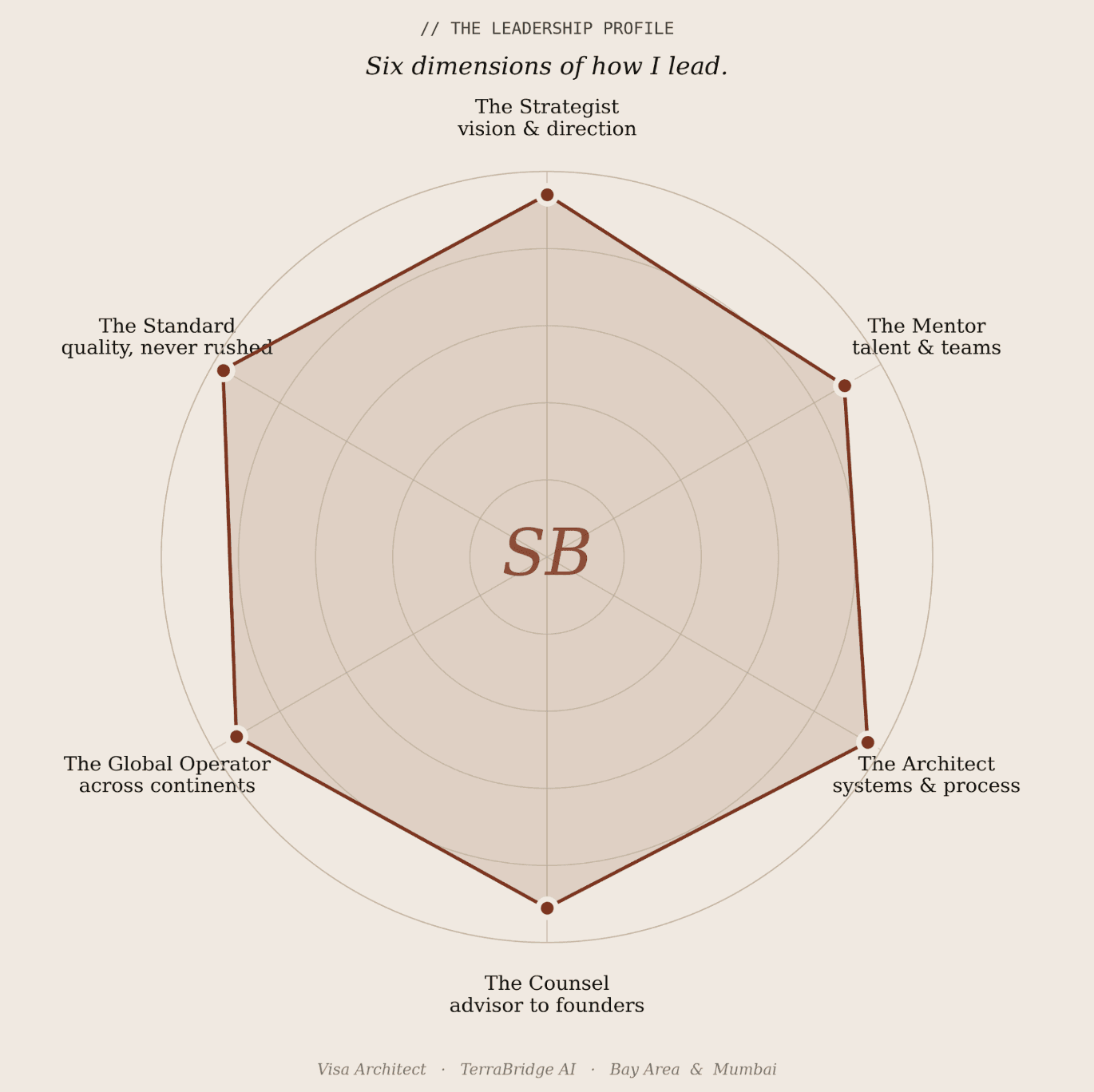
Not one thing. Six.
I lead the way I practise. Quietly, on multiple fronts, with the same standard across each. Below is the shape of it, drawn out across six dimensions I’ve come to think of as different sides of the same instinct.
Some people arrive at their work in a straight line. I didn’t. I came to immigration law the way I came to most things in my life: slowly, by paying attention, and from far enough away that the view stayed honest.
// ONE
An unshowy state, and a first language.

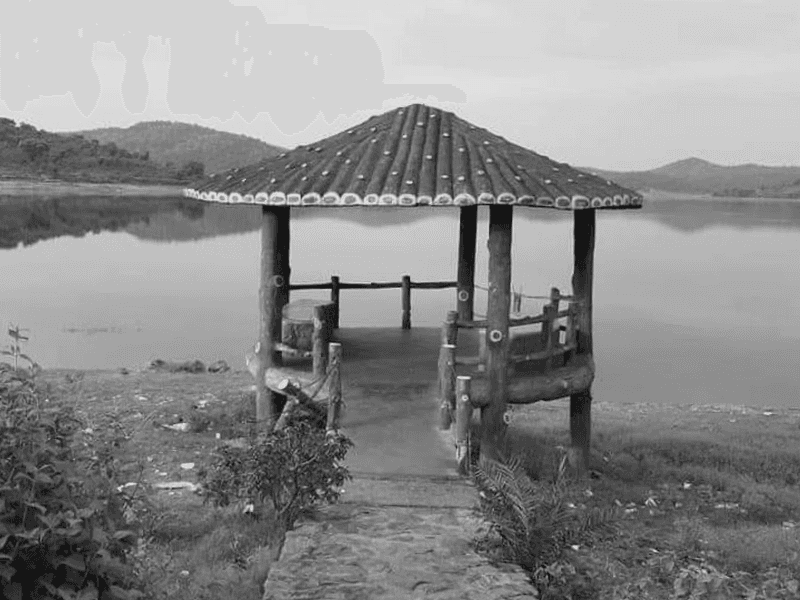
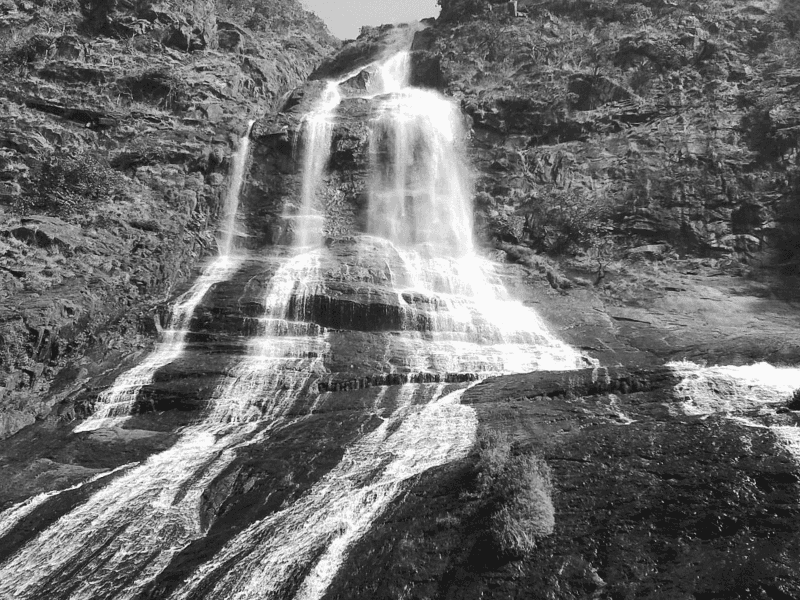
I was born in Rourkela, in Odisha. It’s a state most of India doesn’t stop to look at for long enough. This is the state of Konark, where the stone wheels of a thirteenth century sun temple have turned for almost a thousand years. It’s the state of Puri, where the Jagannath temple still organises a whole town’s calendar. Odisha is unshowy in a way I’ve come to recognise in myself. Literary. Coastal. Slow spoken. Considerably more sophisticated than it lets you assume on first look.
My first language was Odia, and it remains the one I dream in. There’s a softness to it that I haven’t quite heard in any of the languages I picked up later, and I’m protective of that.
You can come from a place that doesn’t announce itself, and still arrive at work that does. I’ve always preferred the quieter half of that sentence.
Some people arrive at their work in a straight line. I didn’t. I came to immigration law the way I came to most things in my life: slowly, by paying attention, and from far enough away that the view stayed honest.
// TWO
A heart that happens to be in the middle.
For close to two decades, I lived in Indore. People who haven’t been there are usually surprised to find out that Indore has been voted India’s cleanest city more often than any other city in the country, or that its Sarafa Bazaar turns into one of the most loved night food streets on the subcontinent after sundown. Poha and jalebi in the morning. Everything else after midnight.
Madhya Pradesh, which is the literal geographic heart of India, taught me the kind of unbothered patience the work I do now demands. You learn, in MP, that a place can be deeply traditional and quietly modern in the same breath, without needing to announce either. I did my B.A. LL.B. at Devi Ahilya Vishwavidyalaya in those years, and the law that took root in me was a slower, more careful version than the one most lawyers I now work alongside were trained in. I haven’t yet found a reason to regret that.
// THREE
Bombay, and the long discipline.
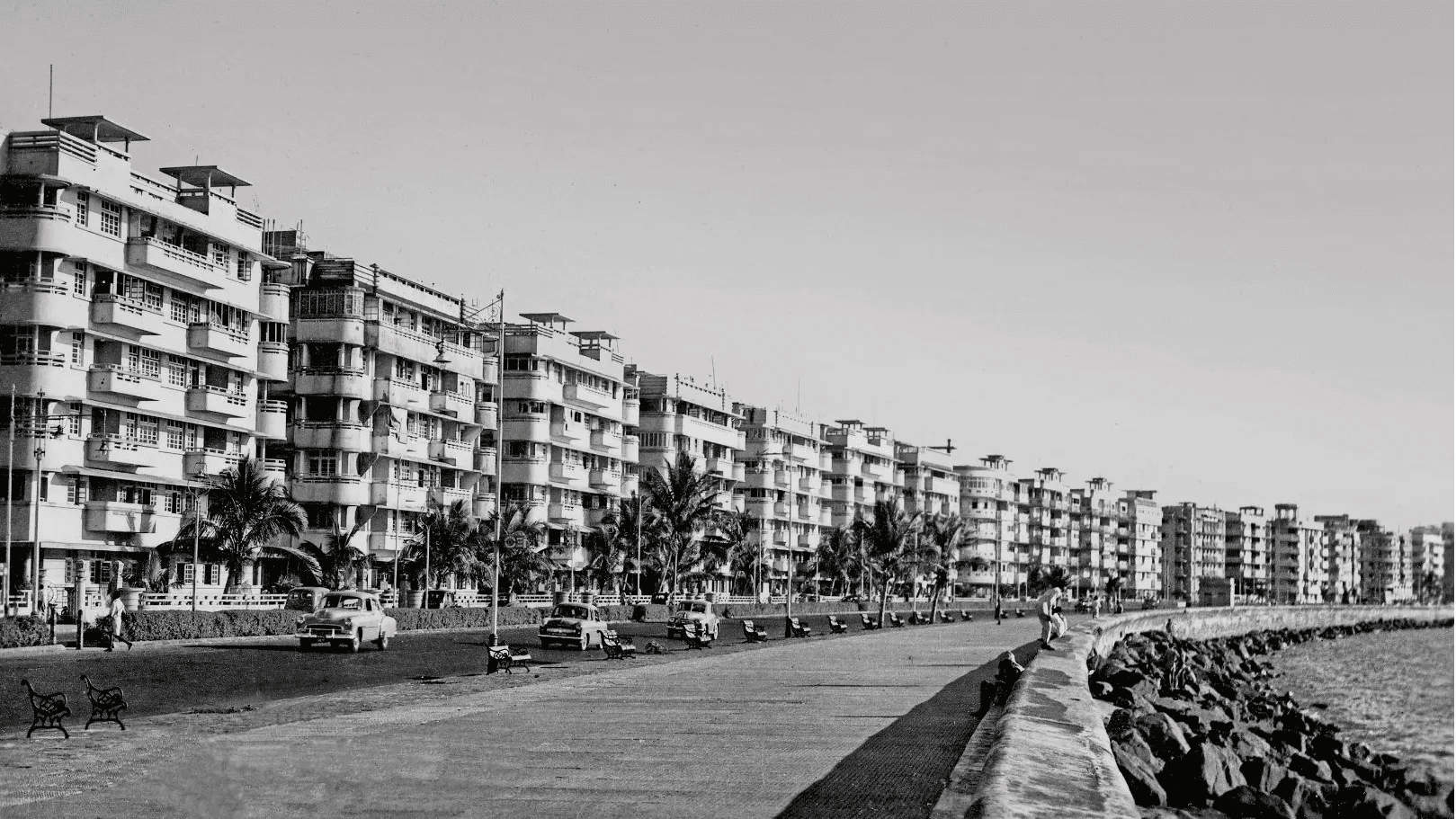
Then came Maharashtra. First Nagpur, then Mumbai, with court days at the Bombay High Court’s Nagpur Bench and matters at the Supreme Court of India in Delhi when the work asked for it. Maharashtra is where I first wore a black robe in earnest, and where I learned what the texture of advocacy actually feels like. It’s a state that asks you to keep up. Mumbai doesn’t slow down for anyone, and the Bombay Bar has a long memory.
It’s also the state where I picked up Marathi well enough to argue with auto drivers in the rain and to listen to clients without an interpreter, which in this profession is more useful than most people give it credit for.
Four languages, three states. People sometimes ask which one I claim. I usually say all of them, and I think the practice is better for it.
// FOUR
On slowness, and meals that insist on it.

My idea of a good meal is either a properly made South Indian thali, the kind where the sambhar is the quiet star and the rasam tells you who actually cooked it, or a long, slow Chinese hot pot with too many people around a single table. Both are unhurried. Both reward you for paying attention. Both are essentially impossible to do well in a hurry. Which, now that I write it down, may not be a coincidence.
I read more than I let on, and I won’t tell you what. The books I love feel personal, and I’d rather they stay that way. I watch a great deal of television too, but in a focused, almost professional way. Long form storytelling. Foreign languages I don’t speak. The occasional documentary about something I have no business being interested in. There’s an attention a good story asks for that the work can’t always permit, and I’ve learned to protect that hour of the day with some seriousness.
Anything I have ever respected was made by someone who refused to hurry.
// FIVE
A practice that grew up across continents.
Most of my career has happened in more than one country at a time.
Before Visa Architect, I led teams and matters at firms across India, Canada, and the United States. At Gehi & Associates, a New York based U.S. immigration firm, I served as Team Lead Manager, mentoring junior paralegals and reviewing their filings for legal accuracy across high volume employment based and humanitarian categories. At Mamann Sandaluk LLP, one of Canada’s leading immigration law firms, I worked on complex cross border petitions to both the U.S. and Canada. At Goel & Anderson, I led the drafting and review of more than a hundred employment based filings. At Deel, I served as a Global Mobility Specialist, supporting globally distributed teams on O-1A, EB-1, TN, H-1B, AOS, N-400, and EOR transitions across multiple jurisdictions.
Today, alongside Visa Architect, I serve as Director of TerraBridge AI, where I lead a global team across North America, Europe, and Asia, supporting more than 120 publishing clients on digital transformation, accessibility compliance, and AI driven editorial workflows. It’s a different industry on paper. In practice, it’s the same instinct: build systems that hold, scale care without losing it, and never let speed cost you the thing the work is actually for.
I sit on the American Immigration Lawyers Association as an International Associate, hold memberships with the American Bar Association, the Los Angeles County Bar Association, and the South Asian Bar Associations of North America and Northern California, and am foreign qualified in the United Kingdom. Most of what I do happens across at least two time zones on any given day. I’ve learned to like it.




// SEVEN
Not the look of serious work. The work itself.
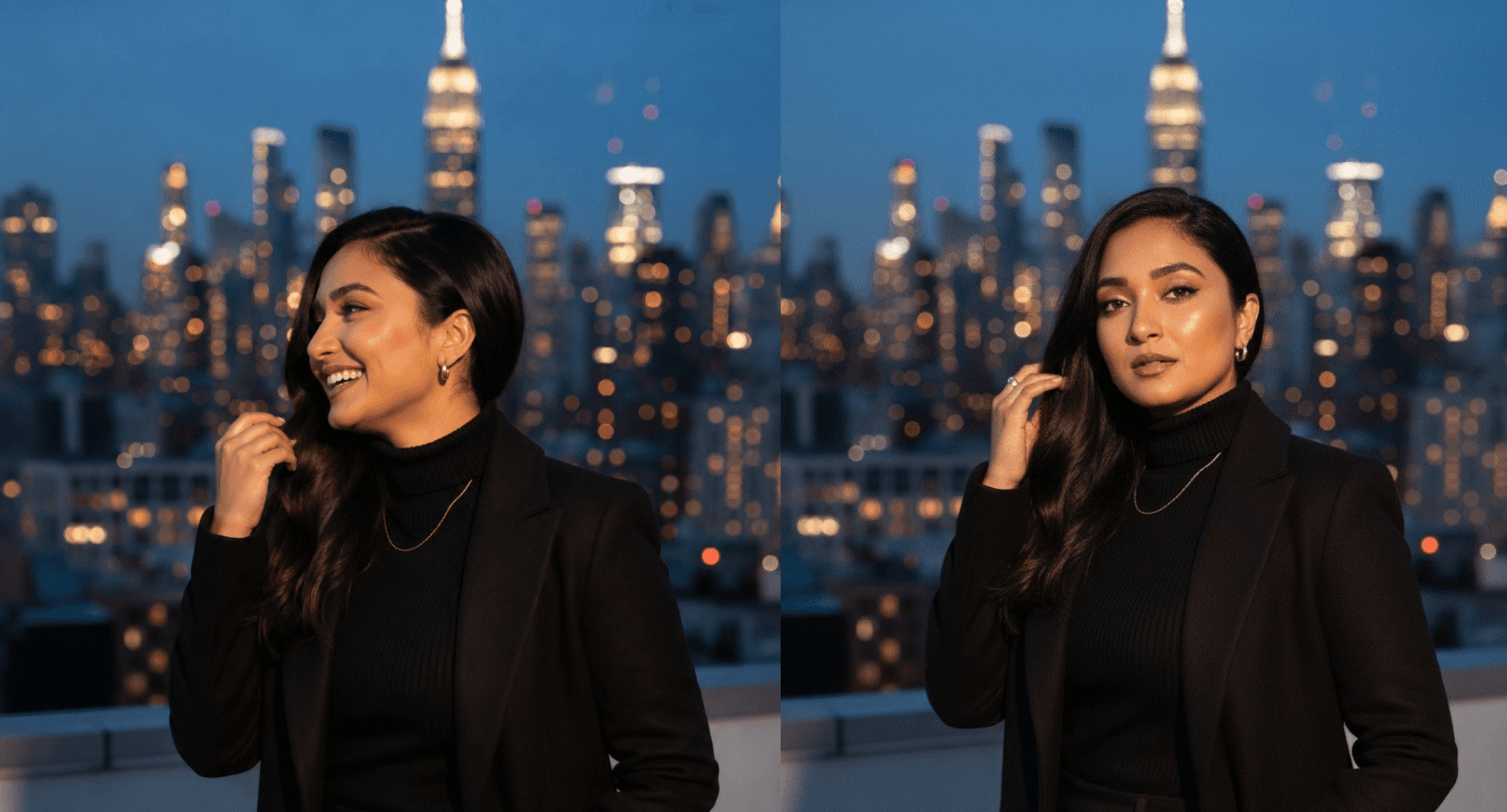
I’m a quieter person than the industry I work in. I don’t believe in performing seriousness. I believe in being it.
When I started Visa Architect, I made a small private promise to myself. I would not build a firm that looked serious. I would build one that was serious. That meant doing the slower work. The unglamorous reading. The harder conversations. The honest assessment of where a case actually stands long before anything reaches a USCIS desk. It also meant being willing to tell a client that the work they bring me isn’t yet what they think it is, and that the difference is the entire game. Most of the petitions I see fail, fail because someone wanted them to look ready before they were.
I’ve always been particular about detail. About the right word in the right place. About whether a sentence in a support letter is doing the work of a sentence or the work of decoration. That instinct has cost me clients who wanted faster, looser work, and I’ve learned to be at peace with that too.
I would rather lose a client than lose a standard. I have done both. Only one of them costs me sleep.
// EIGHT
The word extraordinary, as a statutory standard.
For nine years now, U.S. immigration has been the practice I keep coming back to. Somewhere in the middle of those years, the work that began to interest me most was the work at the top of the regulatory pyramid.
Today, at Visa Architect, that is what we do. EB-1A. O-1. EB-2 NIW. EB-5. The United States quietly calls these the extraordinary visas, and the word is not marketing. It’s a statutory standard. It means a person whose record stands above the field. A person whose work the United States has decided is worth bending its rules to invite in.
The work I do for those people is precise, slow, and unforgiving of shortcuts. We map the record against the criteria. We rebuild the narrative until it stands on its own. We coordinate with U.S. counsel of record. We anticipate the questions. We stay close to the file long after most firms have already moved on. It isn’t work that scales easily. I don’t want it to. Some practices are built for volume, and some are built for care. I’ve chosen the second one, and I intend to keep choosing it.
I came here the long way. That, I think, is the point.
By Swatilina.
Bay Area. Mumbai. The road in between.